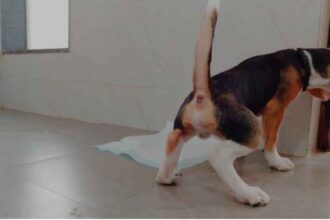


In recent times, the trend of keeping dogs as pets has grown rapidly. From cities to villages—almost everywhere—people are now adopting or purchasing puppies. However, a concerning issue is that many new owners are unaware of the proper guidelines for puppy care. Particularly during the first three months after birth—a period experts refer to as the “critical window”—improper care is leading to illness and even death in many puppies.
According to veterinarians and experienced trainers, “The period from 0 to 3 months lays the foundation for a dog’s entire life. Even a minor error in care during this time can lead to major problems in the future.” This report outlines the preparations required before bringing a puppy home, how to handle the first day, key aspects of the first week, and a comprehensive care guide covering the period up to three months.
Preparation Before Bringing a Puppy Home: Negligence Increases Risk
Many people, in their excitement, forget to take the necessary preparatory steps before bringing a new puppy home. Yet, in reality, this preparation constitutes the crucial first step toward ensuring the puppy’s well-being.
Experts advise that a specific area of the home should be cleaned and disinfected in advance. This is because young puppies have very weak immune systems; they can contract infections from dust or germs present on the floor.
Furthermore, regulating the room temperature is extremely important. The ideal temperature should be maintained between 25 and 30 degrees Celsius. In winter, provisions for blankets and a warm bed must be made, while in summer, adequate ventilation must be ensured.
Essential Items to Gather Before Bringing a Puppy Home:
1. Separate bowls for food and water
2. Soft bedding or a cushion
3. Digital thermometer
4. Toys
5. Clean cloths
6. Basic medications and a veterinarian’s contact number
According to experts, “Failing to have a veterinarian’s contact number on hand before bringing a puppy home is a major mistake. Wasting time during an emergency can have disastrous consequences.”
The Stress of the Journey: Wrong Decisions Upon Arrival Can Lead to Danger
Puppies are often transported from distant locations—via bus, train, or car. During this journey, the puppy is subjected to immense psychological pressure; this phenomenon is known as “travel stress.” Upon bringing a puppy home, many people mistakenly offer food or water immediately. However, this can lead to vomiting, diarrhea, or even infections.
Experts advise:
- Allow the puppy to rest for at least 1–2 hours after arriving home.
- Keep the puppy in a calm, quiet environment.
- Introduce food and water gradually.
During this period, excessive cuddling or overcrowding can further heighten the puppy’s stress levels.

Day One: The Struggle to Adapt to a New Environmen
When a puppy arrives at a new home, it finds itself in a completely unfamiliar setting. Having been separated from its mother and siblings, the puppy is often emotionally unsettled.
Common signs observed on the first day include:
- Frequent crying or whimpering.
- Refusal to eat.
- Inability to sleep at night.
- Frequent bathroom breaks.
Experts note that these behaviors are entirely normal.
As a solution:
- Place a soft toy beside the puppy.
- Designate a specific, safe space for the puppy.
- If possible, the owner should remain close by.
The puppy may cry more frequently at night as it seeks companionship; therefore, it should not be left alone during this time.
The First Seven Days: A Critical Period for Habit Formation
The first week is known as the “Behavioral Foundation Period.” During this time, the puppy begins to learn new habits.
Key behaviors to teach during this period include:
- Staying within a designated area.
- Sleeping in its own bed.
- Responding when called by name.
Experts warn that if incorrect training is administered during this phase, it becomes significantly more difficult to correct those behaviors in the future.
Certain major mistakes should be avoided during this time:
- Taking the puppy outdoors.
- Exposing the puppy to other dogs.
- Bathing the puppy too soon.
This is because the risk of infection is at its highest during this critical period.
Care Up to Three Months: Stages of Physical and Mental Development
Up to the age of three months, a puppy grows rapidly, and changes in its behavior also become apparent. During this period, certain common issues may arise.
Habits of Eating Unusual Objects
Many puppies begin to eat things like soil, wood, stones, and so on. This is typically caused by nutritional deficiencies or simple curiosity.
Solutions:
- Ensuring a proper diet
- Increasing supervision
Begging for Food from the Plate
Puppies often beg for food from their owner’s plate. While this may seem amusing at first, it can lead to significant problems in the future.
According to experts, “Feeding human food to a puppy disrupts its dietary habits.”
Biting (Play Biting)
During this stage, a puppy may bite while playing. This is a normal behavior, but it is essential to keep it under control.
Deworming and Vaccination: Lifesaving Measures
Regular deworming and vaccination are crucial for a puppy’s health and well-being.
Deworming Schedule:
- Up to 3 months: Once every 15 days
- 3–6 months: Once every month
- After 6 months: Once every 3 months
Vaccination:
The vaccines that a puppy *must* receive include:
Parvovirus
Distemper
Rabies
Experts state, “Failure to administer the rabies vaccine poses a grave risk—not only to the dog but also to humans.”

Dietary Habits: Gradual Transition is Essential
Upon bringing a puppy home, one should not abruptly change its diet. Doing so can lead to digestive issues.
Initially, you should continue feeding the puppy its previous food. Subsequently, introduce the new food (known as “starter food”) gradually.
After three months, light home-cooked meals may be introduced, such as:
- Rice
- Cottage cheese (Paneer)
- Vegetables
However, everything should be introduced gradually.
A Safe Haven: Essential for Mental Stability
Every puppy should have a designated space where it feels safe and secure.
This could be:
A dog bed
A crate or cage
This space serves as the puppy’s “personal territory.” It is crucial that the puppy is never punished while inside this area.
Early Training: The Foundation for the Future
To manage a puppy’s behavior effectively, some basic training is essential right from the start.
Teaching Its Name
By consistently calling the puppy by its name, it quickly learns to respond when called.
Potty Training
The sleeping area and the designated toilet area must be kept separate. A puppy naturally avoids soiling its own sleeping space.
Bathing Habits
The puppy should be gradually accustomed to water. A sudden, abrupt bath may frighten it.
Common Mistakes and Their Consequences
According to experts, the most common mistakes made by new owners are:
- Rapid changes in diet
- Taking the puppy outdoors prematurely
- Failing to seek veterinary advice
- Excessive pampering or neglect
These mistakes are the primary causes of illness in puppies.
Conclusion: Awareness Saves Lives
A pet dog is not merely an animal; it becomes a member of the family. Therefore, its care should be undertaken with a deep sense of responsibility.
Experts share a single, unified message:
“If a puppy receives proper care during its first three months, it will remain healthy and happy for its entire life.”
Accurate knowledge, patience, and love—these three elements are all it takes to guide a puppy toward a healthy and wonderful life.