

Special Report:
In recent times, from cities to villages—everywhere—the trend of keeping dogs as pets is growing rapidly. People’s interest in bringing home a small puppy, in particular, is remarkably high. Many view this merely as a hobby or an act of affection. However, in reality, bringing a puppy home entails assuming full responsibility for it—attending to its health, diet, grooming, and even its psychological well-being.
According to veterinarians and pet experts, the first few weeks after bringing a new puppy home are the most critical. If proper care and guidelines are not followed during this period, the puppy may develop various physical and behavioral issues in the future. Therefore, it is absolutely essential to be informed about certain matters beforehand and to adhere to them diligently.
This report outlines, step-by-step, the key considerations to keep in mind both before and after bringing a new puppy home.
The Home Must Be Puppy-Proofed in Advance
Puppies are naturally very curious creatures. Upon arriving in a new environment, a puppy will explore every nook and cranny and may, often unknowingly, pick up and ingest dangerous objects.
Experts warn that if small items—such as coins, plastic scraps, needles and thread, broken glass shards, etc.—are scattered around the house, a puppy may swallow them. This can lead to consequences ranging from airway obstruction to severe gastrointestinal complications.
Furthermore, shoes or slippers brought in from outdoors often carry germs. If a puppy licks these items, the risk of various infections increases. Therefore, before bringing a puppy home, it is crucial to thoroughly clean the entire house and remove any hazardous objects.
Failure to Be Mindful of Diet Can Lead to Serious Harm
When a new puppy arrives, every family member naturally wants to shower it with affection. As an expression of this affection, many people begin offering the puppy various types of food.
However, this is precisely where the biggest mistake occurs. Chocolates, biscuits, sweets, or spicy foods are completely unsuitable for a puppy’s system. Consuming these items can lead to digestive issues, vomiting, diarrhea, and even toxic poisoning.
According to veterinarians, the safest approach is to use commercially prepared “Puppy Food” specifically formulated for young dogs. These foods contain all the necessary nutrients in the correct proportions.
Additionally, it is advisable to establish a routine of feeding the puppy at specific, fixed times. This helps maintain the puppy’s routine and makes it easier for him to take to training.

It is Important Not to Feed the Puppy from Your Own Plate
Many people tend to give their puppy small scraps of food while they are eating themselves. This causes the puppy to become accustomed to the practice, leading him to pester his owner for food during future mealtimes.
According to experts, this habit should be curbed right from the start. The puppy must be made to understand that he has a specific feeding schedule and will receive food only during those designated times.
This helps keep the puppy’s behavior in check and prevents the emergence of any aggressive tendencies in the future.
Visiting a Veterinarian is Essential
As soon as you bring a puppy home, you should take him to a veterinarian as quickly as possible.
The veterinarian will examine the puppy’s physical condition and formulate a comprehensive care plan. This typically includes:
A vaccination schedule
Deworming medication
Essential vitamins
A dietary plan
Adhering to these guidelines makes it much easier to ensure the puppy grows up healthy and strong.
It is Unwise to Take a Puppy Outdoors Before Vaccination is Complete
Young puppies have very weak immune systems. Therefore, taking them outside before their vaccination schedule is complete poses a significant risk.
Generally, a puppy’s vaccination process continues until they are between three and three and a half months old. During this period, they should be kept strictly indoors.
The outdoor environment harbors various viruses and bacteria that can be life-threatening to a puppy.
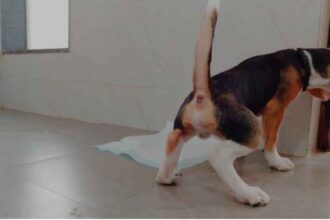
Toilet Training from the Start Minimizes Problems
One of the most common challenges faced immediately after bringing a puppy home is their tendency to relieve themselves indiscriminately throughout the house.
However, this behavior is entirely normal and can be easily managed by following a few simple rules.
You should designate a specific spot and lay down newspaper or a training mat there. Whenever the puppy finishes eating or drinking water, take them to that designated spot shortly thereafter.
Within just a few days, the puppy will understand exactly where they are supposed to relieve themselves.
Paying Attention to the Puppy’s Emotional Well-being is Crucial
When a puppy arrives in a new home, they are separated from their mother and their familiar environment. This transition can be emotionally challenging for them.
Therefore, they should not be left alone. Instead, it is essential to spend time with them, engage in play, and offer them plenty of affection.
Many experts suggest that allowing the puppy to sleep close to their owner during the initial period helps them feel secure and safe.

Ensuring Easy Access to Clean Water is Essential
Water plays a vital role in maintaining a puppy’s physical health.
If they do not receive adequate water, they risk becoming dehydrated—a condition that can be dangerous to their health.
Therefore, you should always ensure that clean, fresh water is readily available to them.
Feeding Small Portions Frequently is Best
A puppy’s digestive system is not particularly robust. Consequently, rather than giving them a large meal all at once, it is better to feed them small portions four to five times throughout the day.
This approach aids digestion and ensures that their body properly absorbs and utilizes the nutrients from their food.
Toys Are Not Just for Entertainment—They Are a Necessity for Puppies
As puppies begin teething, they experience discomfort in their gums. During this phase, they tend to start chewing on various objects.
Therefore, it is crucial to provide them with appropriate chew toys. This helps alleviate their teething discomfort and also protects your household belongings from being damaged.
Caution is Essential When Using Collars
Many people place stiff or tight collars around a puppy’s neck, which can be quite uncomfortable for the animal.
Initially, it is advisable to use a soft and lightweight collar. This ensures the puppy feels comfortable and does not hinder its natural growth.
Avoid Bathing Young Puppies
A young puppy’s body is highly sensitive. Therefore, they should not be bathed too frequently.
If the puppy gets dirty, it is better to simply wipe them down with a damp cloth. This keeps their body clean while minimizing the risk of them falling ill.
Extra Caution is Needed to Avoid Digestive Issues
When a puppy transitions from nursing on its mother’s milk to consuming solid food, digestive problems often arise.
During this period, specific supplements or drops—administered under the guidance of a veterinarian—can be used to strengthen the puppy’s digestive system.
A Lovely Name and Affection—The Foundation of the Bond
Finally, the most crucial aspect is establishing a strong bond with your puppy.
Give your puppy a lovely name and use it frequently when addressing them. This helps the puppy quickly learn to recognize its name and fosters a deep connection with its owner.
Love, care, and discipline—these three elements play the most significant role in raising a healthy and happy puppy.
Conclusion
- Bringing a puppy into your home means more than just acquiring a pet; it means welcoming a new member into your family.
- Caring for the puppy, raising it properly, and ensuring its health are all responsibilities that rest with the owner.
- According to experts, adhering to the correct guidelines right from the start enables a puppy to learn quickly and grow up in a healthy manner.
- Therefore, keeping these points in mind—and adhering to them—before bringing a puppy home is the hallmark of a conscientious and responsible pet owner.